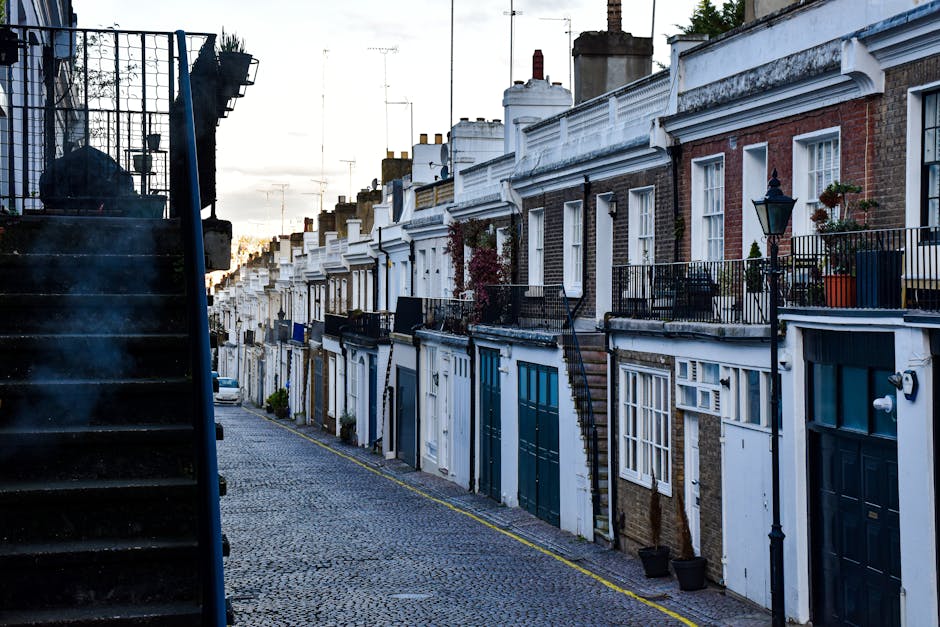
Trusted gardeners for Narrow Street terraces in Limehouse
Narrow Street terraces have a charm of their own: tight outdoor spaces, balcony-like garden corners, pots squeezed beside brick walls, and just enough room for a well-kept green retreat if it is looked after properly. Finding trusted gardeners for Narrow Street terraces in Limehouse is not just about mowing a patch of grass or pruning a shrub. It is about getting reliable help from people who understand compact urban gardens, awkward access, neighbours close by, and the practical realities of keeping a terrace garden looking sharp all year round.
In a place like Limehouse, a terrace garden can quickly become either a peaceful little escape or a cluttered afterthought. The difference usually comes down to consistent care, the right tools, and gardeners who know how to work neatly in a confined setting. This guide breaks down what trusted terrace garden care should look like, how the service works, what benefits you can expect, and how to avoid the common mistakes that cause more stress than they solve.
For many homeowners and tenants, the goal is simple: a garden that looks cared for without becoming another chore on the weekend list. Sounds reasonable, right? Let's get into the details.
Table of Contents
- Why Trusted gardeners for Narrow Street terraces in Limehouse Matters
- How Trusted gardeners for Narrow Street terraces in Limehouse Works
- Key Benefits and Practical Advantages
- Who This Is For and When It Makes Sense
- Step-by-Step Guidance
- Expert Tips for Better Results
- Common Mistakes to Avoid
- Tools, Resources and Recommendations
- Law, Compliance, Standards, or Best Practice
- Options, Methods, or Comparison Table
- Case Study or Real-World Example
- Practical Checklist
- Conclusion
- Frequently Asked Questions
Why Trusted gardeners for Narrow Street terraces in Limehouse Matters
Terrace gardens in Narrow Street are rarely generous in size. That is exactly why quality matters so much. One overgrown planter, one neglected hedge, or one badly executed clearance job can make the whole space feel cramped. A trusted gardener does more than tidy up the visible bits. They work with the space, not against it.
In practice, this means understanding how sunlight falls between buildings, how wind moves through a narrow courtyard, how damp collects in shaded corners, and how to maintain plants without turning the whole area into a muddy mess. It also means arriving on time, communicating clearly, and respecting the property. That sounds basic, but to be fair, basic reliability is often what separates a decent experience from a frustrating one.
There is also the trust side. If you are handing over access to a home or shared terrace, you want reassurance that the work will be handled carefully. People often focus on plant knowledge, but trust, insurance awareness, and tidy working habits are just as important. A gardener who leaves the site clean, keeps pathways clear, and handles waste responsibly gives you peace of mind as well as a better-looking terrace.
If you want a broader sense of the services that support this kind of upkeep, the services overview is a useful place to see how terrace garden care fits alongside maintenance, landscaping, and clearance support.
Expert summary: For Narrow Street terraces, the best gardening service is usually the one that combines careful maintenance, compact-space experience, and dependable communication. Pretty simple on paper. In real life, it makes all the difference.
How Trusted gardeners for Narrow Street terraces in Limehouse Works
The process usually begins with a quick assessment of the space. A good gardener will want to understand what is actually there: planters, paving, turf, climbers, hedges, decking, drainage issues, and the general level of upkeep needed. A terrace garden near the river can behave differently from an inland one. More wind, more shade in some spots, and often more moisture than people expect.
From there, the work is normally broken into sensible tasks. These might include lawn care, hedge trimming, plant tidying, border definition, weed control, leaf clearance, or seasonal pruning. For more intensive jobs, a gardener may suggest a proper clear-out before moving into an ongoing maintenance routine. If your outdoor space has got a little out of hand, garden clearance can reset the area before regular care begins.
In many terrace gardens, the actual method matters just as much as the task itself. A heavy-handed approach can damage roots, scratch paving, or scatter soil into adjoining spaces. A careful gardener uses smaller tools, works in sections, and cleans as they go. It sounds obvious, but you will notice the difference immediately. One job feels disruptive; the other feels organised.
For ongoing upkeep, garden maintenance is often the most practical approach, because terrace gardens tend to need regular light care rather than occasional big interventions. If the garden includes a lawned section, lawn mowing can be scheduled with other touch-up tasks so the whole space stays neat without overworking the layout.
Where privacy and structure matter, hedge trimming can be especially important on terrace properties. A hedge left too long can block light, spill over fences, or make the space feel smaller than it is. On the other hand, a tidy hedge can make a narrow garden feel much more composed.
Key Benefits and Practical Advantages
There are plenty of benefits to working with trusted gardeners, and not all of them are purely visual. Yes, a tidy terrace looks better. That part is obvious. But the real value is broader.
- Better use of space: Small gardens can look larger when edges are crisp, planting is balanced, and clutter is removed.
- Less weekend stress: Regular upkeep means you are not always facing a bigger job later.
- Healthier plants: Proper pruning, watering advice, and seasonal care help plants survive urban conditions.
- Cleaner outdoor living: Pathways, decking, and seating areas stay more usable when maintenance is consistent.
- Improved privacy: Careful hedge and climber management can soften overlooking windows without becoming overgrown.
- Safer access: Removing trip hazards and managing wet leaves or loose debris makes the space easier to use.
There is also a quieter benefit that people sometimes forget: a well-kept terrace just feels calmer. You step outside with your coffee in the morning and it does not greet you with tangled stems, mouldy pots, and a bag of compost you have been meaning to deal with for three weeks. Honestly, that alone can be worth it.
For terraces with hard landscaping, services such as landscaping or landscape gardening can improve the layout as well as the appearance. If there is timber underfoot, decking services may help turn an awkward space into something more usable and comfortable for everyday sitting out.
Who This Is For and When It Makes Sense
This kind of service suits a wide range of people, but terrace properties on Narrow Street have a few recurring patterns. Some people want help after a long period of neglect. Others want maintenance that keeps a compact garden in shape without having to chase it every fortnight. Some simply do not have the time, energy, or equipment to maintain a small but fiddly space.
It can make sense if you:
- own a terrace and want the outdoor space to feel like part of the home
- rent a property and need the garden kept neat for inspections or day-to-day use
- manage a buy-to-let and want the exterior to reflect well on the property
- have a small courtyard, front garden, or rear terrace that needs careful handling
- need a one-off reset before a sale, rental changeover, or family event
- prefer tidy, regular care instead of sporadic heavy work
There is no shame in hiring help for a small garden. In fact, that is often the sensible move. Compact spaces are not necessarily easier to maintain; they can be more demanding because everything is visible and every corner matters. One untidy patch can dominate the whole view.
If you are comparing providers, it is worth looking beyond the headline service and checking how they approach reliability and safety. A company page such as about us can give you a sense of how they present themselves, while insurance and safety and health and safety policy help show whether proper precautions are taken seriously.
Step-by-Step Guidance
If you are trying to work out how to get the best result from gardeners for a Narrow Street terrace, the process is fairly straightforward. Not fancy. Just practical.
- Assess the space honestly. Walk around and note the areas that need attention: overgrowth, weeds, broken pots, tired plants, slippery surfaces, or awkward access points.
- Decide whether you need clearance, maintenance, or improvement. A neglected terrace may need a reset first, while an already tidy garden may simply need regular upkeep.
- Prioritise the high-impact tasks. In small spaces, the visible details matter most. Edges, containers, hedges, and paved areas often have the biggest effect.
- Choose a working rhythm. Weekly, fortnightly, or seasonal visits can each make sense depending on plant growth and how you use the space.
- Ask how waste is handled. Clean disposal matters. So does sustainability, especially if you are clearing green waste or replacing old materials.
- Review the result after the first visit. Was the work tidy? Did the gardener protect surfaces? Did the garden feel more usable afterwards?
If the first visit reveals that the terrace needs a bigger structural change, then a mix of landscape gardening and routine care may be the right blend. If the work is mainly about keeping things under control, the more direct route is usually a maintenance schedule.
A small practical tip: ask for the first visit to focus on the most visible part of the garden. That sounds obvious, but when time is tight, visible order gives you the quickest improvement. The rest can follow.
Expert Tips for Better Results
Good terrace gardening is often about restraint. Too much pruning, too many bulky plants, too many decorative items, and suddenly the space feels crowded again. The best results usually come from a light touch and a clear plan.
- Use layers, not clutter. Tall plants, medium shrubs, and lower planting can create depth without blocking movement.
- Choose containers carefully. In narrow spaces, a few well-sized pots are better than a random collection of small ones.
- Keep access clear. The best planting scheme in the world is no good if you have to sidestep a watering can every time you open the door.
- Trim for shape, not just size. A neat outline often matters more than shaving everything back.
- Think seasonally. What looks good in May may need a different approach by late autumn.
- Match the plant to the microclimate. Shady, windy, or damp terrace spots need tougher planting choices.
One thing many people underestimate is how quickly a terrace can feel overmanaged. You do not want a garden that looks flattened into submission. You want structure, texture, and life. A bit of softness helps. A bit of mess can even be charming. The trick is knowing where that line sits.
If sustainability matters to you, take a look at recycling and sustainability. It can help you think about waste separation, composting, and the longer-term impact of how garden materials are handled. Small choices add up.
Common Mistakes to Avoid
People often make the same few mistakes with terrace gardens, especially when they are short on time.
- Leaving clearance too long: Once a small space becomes crowded, it tends to look twice as messy as a larger garden would.
- Choosing plants for looks only: If the plant hates shade, wind, or London conditions, it will struggle. Simple as that.
- Ignoring hard surfaces: Paving, decking, and steps can become slippery or stained if they are never cleaned.
- Overwatering containers: Terrace gardens often have drainage quirks. Too much water can be just as bad as too little.
- Using the wrong scale: Huge furniture or oversized pots can make a narrow terrace feel smaller.
- Skipping regular maintenance: Small issues grow quietly. Then one rainy week arrives and everything looks a bit wild.
Another common mistake is assuming all gardening work is interchangeable. It is not. A clearance team, a maintenance gardener, and a landscaping crew can all be useful, but they solve different problems. The right choice depends on what the space needs now, not what sounds most impressive.
Tools, Resources and Recommendations
For terrace work, the right tools are usually compact, precise, and designed to minimise mess. You do not need a van full of giant machinery for every job, especially in tight access areas. Sometimes a smaller, well-prepared kit is exactly what makes the work smoother.
Typical practical tools include:
- hand pruners and snips for detailed cutting
- small hedge trimmers for controlled shaping
- lightweight rakes and leaf collectors
- containers or bags for green waste
- compact lawn equipment where turf is present
- protective covers or sheets for paved or decking areas
For some properties, the need is not just plant care but broader outdoor improvement. If you are considering a more structural refresh, landscaping can reshape the usable layout, while decking services can make sitting-out areas more comfortable and easier to maintain.
It is also worth checking practical admin pages before you book, especially if you are comparing providers and want clarity on the process. pricing and quotes helps set expectations, and contact us is the obvious next step if you want to describe the garden and ask what kind of visit makes sense. Straightforward is good.
Law, Compliance, Standards, or Best Practice
For garden work in London, the most important thing is to follow sensible best practice and stay within normal expectations for safety, access, and waste handling. You do not need to become a legal expert to hire a gardener, but you should expect professionalism.
That usually means the gardener works safely around tools, avoids damage to surfaces and boundaries, handles waste responsibly, and communicates clearly if a task may need specialist attention. If tree work is involved, it is especially wise to treat anything larger or more complex carefully. Heavy pruning or removal is not the same as simple tidying, and qualified judgement matters.
For your own peace of mind, look for service information that shows the business takes insurance and safe working seriously. The pages on health and safety policy and insurance and safety are good indicators of that mindset. If a provider is open about process, waste, and customer rights, that is usually a positive sign.
There is also a best-practice angle around privacy, payment, and complaints handling. Not glamorous, admittedly, but useful. A trusted service should make its terms understandable, keep payment methods clear, and offer a sensible route if anything goes wrong. That basic accountability matters more than most people realise. It just does.
One more quiet point: if access is awkward, shared, or close to neighbours, good communication before the visit can prevent problems on the day. A little planning saves a lot of head-scratching later.
Options, Methods, or Comparison Table
Different terrace gardens need different approaches. Here is a simple way to think about the main options.
| Approach | Best for | Strengths | Watch-outs |
|---|---|---|---|
| Regular maintenance | Tidy terraces that just need keeping in shape | Predictable, efficient, low stress | Won't solve major neglect on its own |
| Clearance first, then maintenance | Overgrown or cluttered gardens | Resets the space properly | Takes more time at the start |
| Light landscaping | Terraces needing better structure or flow | Improves layout and usability | May need higher budget and planning |
| Plant-led refresh | Gardens that are tidy but tired | Brings colour and seasonal interest | Plants must suit the site conditions |
For most Narrow Street terraces, the best answer is not one method forever. It is often a combination. Maybe a reset once, then maintenance. Maybe maintenance with occasional pruning and seasonal shaping. Maybe a small landscaping adjustment to solve a persistent access or drainage annoyance. That is where trusted advice really earns its keep.
Case Study or Real-World Example
Picture a terrace off Narrow Street after a damp, forgettable winter. Pots are half-empty, the hedge has started leaning into the pathway, a few weeds have taken hold in the cracks, and the decking has lost that clean, inviting look it had at the end of summer. Nothing dramatic. Just enough small issues to make the garden feel neglected.
A sensible first visit would usually focus on clearing the obvious clutter, shaping the hedge, checking the planting containers, and restoring access so the terrace feels usable again. If the lawn section is tiny, it gets a tidy cut. If the paving is stained or covered in leaf litter, that gets attention too. The result is not a magical transformation into a country estate. Let's be honest, that would be a bit much. But the space becomes calm, neat, and ready to enjoy again.
From there, a routine is agreed: simple maintenance visits, seasonal pruning, and a check-in for any structural improvements later in the year. Perhaps a little extra planting for privacy, or a better-edged sitting area. The point is not extravagance. It is consistency.
That is what trusted gardeners for Narrow Street terraces in Limehouse should deliver: a space that feels looked after, not overworked.
Practical Checklist
Use this checklist before booking or scheduling work on a terrace garden.
- Identify the main problem: overgrowth, clutter, tired planting, or poor layout
- Decide whether you need clearance, maintenance, landscaping, or a mix
- Check access points, narrow paths, and any shared areas
- List plants, features, or surfaces that need special care
- Ask how waste will be removed or recycled
- Confirm whether the gardener can work around your schedule
- Review safety and insurance information before agreeing the job
- Think about seasonal timing, especially for pruning or replanting
- Make sure the finish you want is described clearly
- Plan the next visit if the garden needs ongoing care
If you want a service package that covers the day-to-day side of things, garden maintenance is often the most practical option. If the terrace has a lot of growth to remove first, start with garden clearance and build from there.
Conclusion
Trusted gardeners for Narrow Street terraces in Limehouse do more than keep a small outdoor area tidy. They help protect the value, comfort, and everyday usefulness of a compact urban garden. When the work is done properly, the terrace feels easier to live with, easier to enjoy, and far less likely to become another thing you keep meaning to sort out.
The best results come from clear expectations, sensible maintenance, and a team that understands small-space gardening in real London conditions. Not every garden needs a big redesign. Sometimes it just needs careful hands, a decent plan, and regular attention.
If your terrace has been nagging at you for a while, that is often a sign it is time to act rather than wait for a more convenient weekend that never seems to arrive. A small, well-kept garden can change how the whole home feels.
Get a free quote today and see how much you can save.
And if you are still weighing things up, that is fine too. The right help should make the whole process feel lighter, not heavier.
Frequently Asked Questions
What makes gardeners for Narrow Street terraces different from general garden services?
Terrace gardens in Narrow Street usually involve tighter access, more hard surfaces, smaller planting areas, and a greater need for careful handling. A gardener who understands compact urban spaces can work more neatly and efficiently.
How often should a terrace garden in Limehouse be maintained?
It depends on how much planting you have and how quickly the space grows in. Many terrace gardens benefit from regular light maintenance rather than occasional heavy work, because small issues become obvious quickly.
Do I need garden clearance before maintenance starts?
Not always. If the terrace is already in decent shape, maintenance may be enough. If it has become overgrown or cluttered, a clearance visit first is usually the sensible way to reset it.
Can gardeners help with decking and paved areas too?
Yes, often they can. Terrace work is usually not just about plants. Clean decking, tidy paving, and clear access routes all contribute to the overall result. For bigger improvements, decking or landscaping support may be useful.
What should I ask before booking a gardener?
Ask about experience with small spaces, how waste will be handled, whether they are insured, and what the visit will include. It also helps to explain access details and any delicate features in advance.
Is hedge trimming important on terrace properties?
Very often, yes. In a narrow garden, hedges can quickly block light or make the space feel crowded. Managed properly, they improve privacy without swallowing the garden.
How do I know whether I need landscaping or just maintenance?
If the layout works but the garden just looks tired, maintenance may be enough. If the space feels awkward, poorly arranged, or hard to use, then landscaping or a layout refresh may be worth considering.
What if I only have a very small courtyard or patio?
That is still worth maintaining. In fact, very small spaces often show the biggest benefit from tidy, careful gardening because every square metre is visible and usable.
Are trusted gardeners expected to remove green waste?
Usually, yes, or at least to explain how waste will be managed. Clear waste handling is part of a professional service, especially after clearance or pruning jobs.
What are the most common mistakes people make with terrace gardens?
The biggest ones are letting growth run away, overcrowding the space with too many pots or features, and ignoring the hard surfaces. A little regular care prevents a lot of hassle later.
How can I keep costs under control?
Be clear about priorities, combine tasks where sensible, and choose maintenance intervals that suit the garden rather than overbooking unnecessary visits. Asking for a clear quote also helps avoid surprises.
Where should I go next if I want to get started?
Take a look at the available service options, check the practical details on pricing and quotes, and use contact us to explain what your terrace needs. A short message is often enough to begin.
One final thought: a terrace garden does not need to be big to feel special. It just needs the right care, and a little attention at the right time.