Gardener Limehouse: Recycling and Sustainability for an Eco-Friendly Waste Disposal Area
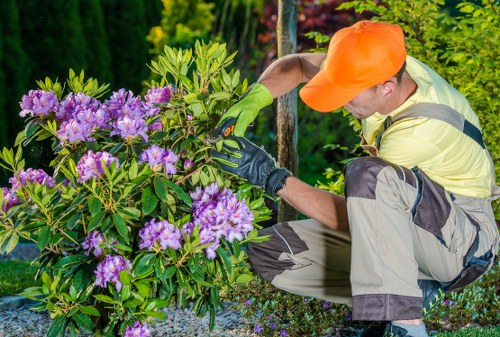 Gardener Limehouse champions a practical, neighbourhood-focused approach to creating an eco-friendly waste disposal area and a resilient sustainable rubbish gardening area. Our policy blends day-to-day gardening practice with borough-level waste separation principles, aiming to reduce landfill, support reuse and optimise local recovery. We believe small changes in how green waste and household rubbish are handled make a big difference.
The core of our plan is a clear recycling percentage target: 65% recycling and composting across our operations by 2030, moving quickly from current baselines through better separation, training and partnerships. This target covers garden waste, mixed dry recycling, food waste from onsite compost systems and plastics used in landscaping. As a Limehouse gardener service, we align our pickup routines with borough collections so materials go to the correct streams.
Local transfer stations and borough waste sorting
We route cleared green waste, timber and inert materials to nearby transfer stations and recycling hubs. Where borough infrastructure supports separate streams (paper and card, glass, metal, plastics, food and garden waste), our teams follow that separation at source to reduce contamination. Our usual routes use local transfer centres and Docklands transfer hubs, ensuring that bulk loads are weighed, documented and sent to the right processing facilities.
Practical recycling activities for Limehouse sites
On site, gardeners undertake several focused recycling activities that reflect the boroughs' approach to waste separation: segregated sacks for paper/card, distinct bins for glass and metal, labelled containers for clean plastics, and sealed tubs for food waste destined for anaerobic digestion. We also run community composting areas for woody prunings and leaf litter, using layered windrows and static bins to transform green waste into usable compost for planters and public beds. These actions feed directly into an on-the-ground sustainable rubbish gardening area model, where resource loops are closed locally.
To complement physical separation we use digital tagging and job sheets so every collected material is logged and tracked to a transfer station or charity partner. Tracking lets us report monthly recycling rates and contamination figures against our 65% target and refine processes rapidly when certain materials are ending up in the wrong stream.
 Fleet and low-carbon logistics — a major part of reducing our footprint is sustainable transport. Gardener Limehouse operates low-carbon vans including electric and plug-in hybrid vehicles, and we deploy e-cargo bikes for short runs and inner-Limehouse access. These choices cut emissions on collection rounds and reduce noise and local pollution, making our eco-friendly waste disposal area operations quieter and cleaner for residents and businesses.
Partnerships with charities and reuse networks
We partner with local charities and reuse organisations to ensure that items that can be salvaged — quality timber, undamaged planters, tools, and surplus turf or compost — are diverted from waste streams and given a second life. Partnerships include community reuse schemes, local garden centres that accept reclaimed materials, and social enterprises that mend and redistribute garden equipment. These collaborations support social value as well as environmental goals.
Key activities with partners include scheduled drop-offs at community reuse centres, on-the-ground volunteer days to repair and repurpose materials, and donation pathways for sustainably reusable items. These efforts support a sustainable rubbish gardening area where resource recovery is standard practice rather than an occasional initiative.

Operational standards and staff training
Staff receive training in waste separation, safe handling and low-emission driving. Our operational standards include pre-job audits to identify recyclable streams, on-site signage that mirrors borough labelling conventions, and mandatory contamination checks before loads leave sites. Consistency in collection and clear communication with neighbours reduces mistaken disposals and helps reach our recycling percentage target faster.
 Measuring impact and continuous improvement — we publish quarterly summaries of tonnes diverted, carbon reductions from our low-carbon vans, and progress toward the 65% recycling and composting goal. Using metrics and local feedback, we continually improve the eco-friendly waste disposal area setup and the design of sustainable rubbish gardening areas so they remain practical and replicable across Limehouse and nearby boroughs.
Our model is designed for local scalability: increase match-funded community compost bays, expand e-van fleets, and deepen partnerships with charities and transfer hubs. A practical list of priorities includes:
- Expand on-site composting for green waste and food scraps
- Standardise separation bins to borough schemes for easy transfer
- Grow our low-carbon vehicle fleet and micro-mobility options
- Strengthen charity reuse pipelines to prevent useful materials going to landfill
As a Limehouse gardener service committed to sustainability, we combine clear targets, local transfer station engagement, charity partnerships and a low-carbon fleet to transform how urban green spaces manage waste. By applying these measures across public and private sites we create a robust, community-centred approach to recycling and sustainable garden waste management that can be replicated across London boroughs.