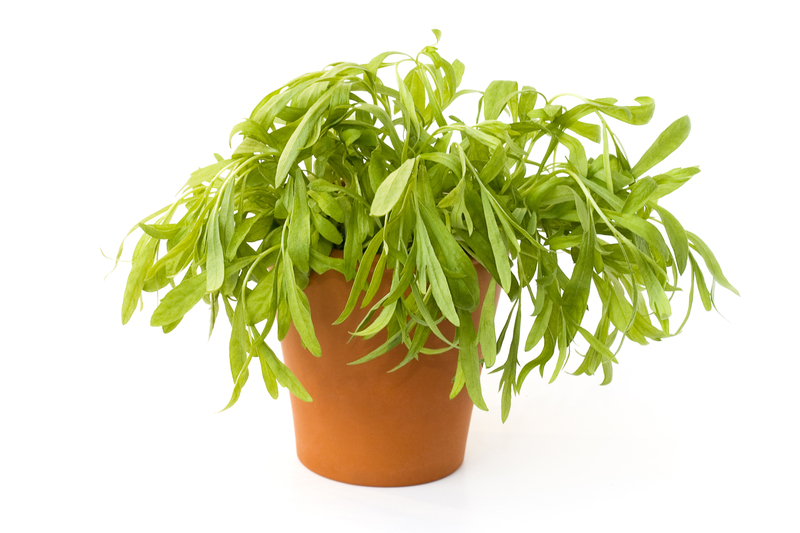
Turn Heads and Ward Off Prying Eyes with the Right Tall Potted Plants
Turn Heads and Ward Off Prying Eyes with the Right Tall Potted Plants
You want your outdoor space to feel like yours. A little sanctuary. Yet, to be fair, modern living means neighbours, windows, and sightlines everywhere. The solution isn't another fence that screams "keep out." It's more elegant than that. With the right tall potted plants, you can turn heads and ward off prying eyes while adding texture, colour, and life to your patio or balcony. Plants make privacy feel natural, almost effortless. And when they sway gently in the evening breeze--honestly, you'll feel the day soften too.
In this comprehensive guide, we'll show you how to design a high-impact container scheme that screens views, reduces noise a touch, and elevates your space. We'll cover plant choices that thrive in UK conditions, container sizing, irrigation, wind management, and practical compliance considerations for flats, terraces, and houses. You'll get a step-by-step plan, expert tips, and a little human reassurance along the way. Because it's not just about plants. It's about comfort, confidence, and that feeling of being at home.
Table of Contents
- Why This Topic Matters
- Key Benefits
- Step-by-Step Guidance
- Expert Tips
- Common Mistakes to Avoid
- Case Study or Real-World Example
- Tools, Resources & Recommendations
- Law, Compliance or Industry Standards (UK-focused)
- Checklist
- Conclusion with CTA
- FAQ
Why This Topic Matters
Let's face it: urban life squeezes us together. Tall potted plants are the gentlest way to create privacy, soften hard edges, and add a sense of arrival to a home. Whether you're in a London terrace with a slim courtyard, a Manchester flat with a windy balcony, or a suburban patio that feels a bit exposed, planting cleverly lets you turn heads and ward off prying eyes with tall potted plants--without adding confrontational barriers.
There's also the wellbeing side. Numerous studies have linked exposure to greenery with lower stress. You don't need a forest. A few strategically placed evergreen shrubs in containers can shift the whole mood of a space. In our experience, even a single tall specimen--say, a bay laurel or a mature bamboo--makes a small patio feel intentional. You'll catch yourself lingering there longer than you planned. Good sign.
And truth be told, containers are flexible. No planning application for a hedge, no digging footings for a fence. Move, edit, refine. Your privacy evolves with your life, not against it.
Key Benefits
When you design a container-based screen thoughtfully, you gain more than privacy. You gain presence. Here's what the right mix of tall potted plants can do:
- Beautiful privacy: A living screen that filters views both ways, gently--not a wall that shouts.
- Flexible layout: Shift planters around for parties, seasons, or neighbour changes. You're not stuck.
- Vertical interest: Tall silhouettes, glossy leaves, and seasonal flowers pull the eye up--handy in tight spaces.
- Wind buffering: Dense foliage slows gusts on exposed balconies. Not a full windbreak, but a noticeable soften.
- Noise and dust moderation: Dense planting can shave a little off noise and catch airborne particles. Don't expect miracles--expect improvements.
- Wildlife value: Nectar, berries, and shelter for birds and pollinators. A tiny urban refuge.
- Year-round structure: With evergreen anchors, your privacy stays even in February when everything else looks asleep.
- Design coherence: Repeating containers and foliage tones creates a considered look. Clean, clear, calm. That's the goal.
- Resale appeal: Thoughtful outdoor design can boost perceived value and kerb appeal. People notice.
One small moment: a client in Bristol texted a photo after we installed a trio of Portuguese laurel troughs. "It's the first morning I've had tea out here without feeling watched." That little exhale--worth it.
Step-by-Step Guidance
Here's a practical roadmap to turn heads and ward off prying eyes with the right tall potted plants on any patio, terrace, or balcony.
1) Map the Views and Measure Everything
- Identify sightlines: Stand where you sit. Who can see you? From which windows and angles? Snap a few photos to mark view cones.
- Measure space: Note width, depth, and any door swing. Record railing height and sill heights. On balconies, flag power points and drains.
- Light audit: Full sun (6+ hours), partial shade (3-5 hours), or shade (<3 hours)? Notice the pattern across seasons; low winter sun can surprise you.
- Wind check: Balconies can be wind tunnels. If foliage burns or pots topple, we'll plan heavier containers and wind-tolerant species.
- Weight awareness: Balconies have load limits; many UK residential balconies are designed for imposed loads around 2.5 kN/m? (varies--check with your building manager). Choose lightweight containers and growing media where needed.
Quick human moment: it was raining hard outside that day we taped a client's terrace. The tape kept peeling, we laughed, and still, those measurements saved us buying planters that wouldn't fit the lift.
2) Choose Your Screening Strategy
- Evergreen backbone: For year-round privacy, prioritise evergreens--Prunus lusitanica (Portuguese laurel), Griselinia littoralis, Pittosporum tenuifolium, bay laurel, or hardy bamboos (clumping types preferred in containers).
- Mixed heights: Combine tall anchors (1.8-2.4 m) with mid-layers (1-1.5 m) and fillers (60-90 cm) to avoid the "soldiers in a row" look.
- Climbers + trellis: Slim footprint, fast coverage. Consider star jasmine (Trachelospermum jasminoides), ivy, or evergreen honeysuckle on a narrow trellis fixed to the planter--brilliant for tight balconies.
- Seasonal interest: Camellias for winter-spring bloom, architectural fatsia for shade, phormium or miscanthus for movement.
- Edible moments: Olive, bay, rosemary towers, feijoa (pineapple guava). Beauty you can taste.
Design note: repetition is your friend. Three matching troughs with the same species look sleek and intentional. Add two accent pots for character--job done.
3) Pick the Right Containers
- Size: As a rule, aim for containers at least 1/3 the plant's final height. A 2 m plant deserves 60-80 cm depth and width for stability and root volume.
- Material: Fibreglass/GRP (lightweight, durable), high-quality resin (light, affordable), corten steel (weighty, industrial chic), or timber planters with liners. In high wind, heavier helps.
- Shape: Troughs (30-45 cm wide) create linear screens. Tall cylinders suit specimen trees. Wide rectangles resist toppling better than narrow columns.
- Mobility: Plant caddies with lockable castors make reconfiguring easy. You'll thank yourself on cleaning day.
- Drainage: Essential. Elevate pots slightly, add drainage holes and a saucer or drip tray to protect paving and neighbours below.
4) Use the Right Growing Media
- Peat-free compost: Choose a peat-free mix with added grit for structure. It's better for the environment and now widely available.
- Blend for drainage: For shrubs and bamboos: 60-70% quality peat-free compost, 20-30% horticultural grit or perlite, 10% mature compost or well-rotted bark for biology.
- Slow-release nutrition: Mix in a controlled-release fertiliser at planting. Top-dress with compost annually.
- Mulch: 3-5 cm of bark, gravel, or coir to reduce evaporation and keep things tidy.
5) Plant Selection Shortlist (UK-friendly)
These are reliable privacy workhorses for containers--with notes to help you decide:
- Portuguese laurel (Prunus lusitanica): Dense, elegant, evergreen. Takes pruning well. Sun to partial shade.
- Griselinia (G. littoralis): Fresh green, coastal-tough, fast to fill. Best in milder regions and sun.
- Pittosporum (P. tenuifolium): Airy texture; varieties like 'Golf Ball' or 'Tom Thumb' add colour contrast. Protect in very cold spells.
- Bay laurel (Laurus nobilis): Classic look, edible leaves, topiary-friendly. Likes sun, tolerates shade.
- Olive (Olea europaea): Architectural, drought-tolerant once established; best in sun and free-draining media.
- Fatsia (Fatsia japonica): Large glossy leaves, shade-tolerant, jungle vibe; combine with ferns for lush privacy.
- Hardy bamboo (clumping species like Fargesia): Fast vertical screening. Choose clump-formers and heavy pots; avoid running types in open soil.
- Star jasmine (Trachelospermum): Evergreen climber with fragrant summer flowers; superb on trellis. Sun to part shade.
- Photinia 'Red Robin': New red growth pops; evergreen and good in troughs; prefers sun.
- Feijoa (Acca sellowiana): Edible petals and fruit in warm spots; handsome grey-green foliage.
- Yew (Taxus baccata): Formal, slow, elegant; toxic if ingested--avoid with pets or kids.
Small aside: The jasmine in a client's Peckham balcony catches the afternoon sun and the scent is... well, it stops conversations for a second. In a good way.
6) Planting and Establishment
- Pre-soak rootballs in a bucket for 10-20 minutes before planting; you want roots hydrated.
- Layer drainage: A mesh over holes, then a thin layer of coarse grit. Fill with your media blend up to two-thirds.
- Position plants at the same depth as in their nursery pots; avoid burying stems.
- Firm gently to remove air pockets. Water slowly until excess drains. Top up media if it settles.
- Stake if necessary (especially olives or small trees) using discreet soft ties. Stability matters in wind.
7) Watering and Feeding
- Water deeply rather than little-and-often. In summer, containers can need daily checks; in winter, reduce significantly.
- Check moisture with a finger 5 cm down or a moisture meter. Dry top doesn't always mean dry root zone.
- Automate with a micro-drip system on a timer if possible--especially helpful for holidays and busy weeks.
- Feed with slow-release granules in spring; supplement with liquid feeds during active growth for hungrier species.
8) Pruning, Training, and Year-Round Care
- Trim lightly, often: Little and frequent keeps containers dense without stress. Heavy cuts are best in late winter or early spring for many evergreens.
- Train climbers on trellis with soft ties; weave, don't strangle. For privacy, fan out to fill gaps.
- Rotate pots quarterly for even growth if sunlight is one-sided.
- Winter protection: In cold snaps, fleece tender plants or move them to a sheltered spot. Raise pots on feet to prevent waterlogging.
- Pest watch: Inspect for scale, aphids, or vine weevil; treat early with RHS-recommended Integrated Pest Management approaches.
Expert Tips
Real-world tweaks that help you turn heads and ward off prying eyes with the right tall potted plants--without the faff.
- Stagger heights and depths: Not every planter must sit in a straight line. A subtle zig-zag placement increases screening while feeling more natural.
- Repeat the palette: Pick two evergreen species and repeat them. Add one flowering or scented accent. That's your signature.
- Use trough planters: For privacy runs, rectangular troughs create seamless lines and reduce tipping risk.
- Think texture: Pair glossy (laurel) with matte (griselinia) or fine (pittosporum) with bold (fatsia) to avoid a flat look.
- Mix evergreen and deciduous: Evergreens anchor privacy; deciduous shrubs or grasses add seasonal drama and movement.
- Wind considerations: On high floors, choose flexible, smaller-leaved species (pittosporum, jasmine) over broad, sail-like leaves.
- Weight-smart layering: On balconies, use fibreglass planters and lightweight media blends; save steel or stone for ground-level patios.
- Subtle lighting: Low-voltage uplights tucked behind foliage create depth and a boutique feel at night. Magic at dusk.
- Water run-off etiquette: Protect neighbours with saucers or drip trays--and empty after storms. It keeps the peace.
- Trial before you buy big: Place cardboard boxes or empty planters to test layout and height. You could almost smell the cardboard dust in the air after our last mock-up, but it worked.
Yeah, we've all been there--buying one huge plant that looks lonely. Two medium plants, repeated, usually beat one giant.
Common Mistakes to Avoid
Good design is often about avoiding the avoidable. Here's what trips people up:
- Tiny pots for tall plants: Roots suffer, plants topple, privacy fails. Go larger; stability is non-negotiable.
- Poor drainage: Waterlogged roots invite rot. Always add drainage holes and raise pots off the ground.
- Wrong plant for the light: Sun lovers in shade get leggy; shade lovers in full sun scorch. Match plant to microclimate.
- All the same height: A uniform hedge in pots feels static and vulnerable to gaps. Mix heights and textures.
- Ignoring wind: Light pots + tall, sail-like leaves = trouble. Choose wind-tolerant species and weighty planters.
- Skipping maintenance: Without trimming and feeding, privacy thins. A 15-minute monthly tidy saves headaches.
- Overwatering in winter: Plants rest; roots still need oxygen. Check before you water.
- Using invasive bamboos: In containers they're safer, but avoid running species in the ground near boundaries to prevent disputes.
- Blocking access: Keep doors, meters, and drains accessible. You'll need them on the one day you planted over them.
- Forgetting the view from inside: Frame indoor views too--what you see from the sofa matters in February.
Case Study or Real-World Example
Project: Fourth-floor balcony, Islington, London
Brief: "We want to turn heads and ward off prying eyes with the right tall potted plants, but the balcony is windy and narrow."
Constraints: 1.2 m deep balcony; weight limits per building management; strong westerly wind; no drilling into external walls due to cladding policy.
Solution:
- Three 100 cm x 40 cm x 40 cm fibreglass troughs for a continuous line screen.
- Planting: two troughs with Fargesia bamboo (clumping, non-invasive) for height; one with star jasmine on a freestanding slim trellis anchored within the planter.
- Media: peat-free compost blended with perlite for lightness and drainage; slow-release fertiliser; bark mulch.
- Water: balcony-safe micro-drip kit with a battery timer; drip trays to protect the balcony below.
- Wind: additional planter weight via hidden pavers in the base; discreet staking for the jasmine.
Outcome: Immediate visual privacy to seated height on day one; full coverage to standing height by summer. The clients reported they used the balcony twice as much, even on breezy evenings. Small detail, big change.
One more micro-moment: the first evening after install, the bamboo rustled softly while buses hummed below. City life, softened. You could feel shoulders drop.
Tools, Resources & Recommendations
Reliable kit and references make the difference between "it looks fine" and "wow, come and see." Here's what we trust:
- Planters: High-quality fibreglass/GRP or corten steel from reputable UK suppliers; look for frost resistance and robust warranties.
- Growing media: RHS-endorsed peat-free compost; add horticultural grit/perlite. For olives and Mediterranean species, use a free-draining "Mediterranean" mix.
- Watering: Micro-drip irrigation kits with timers; moisture meters for quick checks; long-spout watering cans for precision.
- Fertilisers: Controlled-release pellets (6-9 month); organic seaweed feed as a gentle tonic.
- Plant advice: The Royal Horticultural Society (RHS) plant pages and the RHS pruning calendar for species-specific care.
- Design inspiration: Urban courtyard projects in UK garden magazines and RHS Chelsea coverage for layout ideas and plant pairings.
- Weather & wind: Met Office local forecasts; note prevailing winds and seasonal extremes.
- Mobility & protection: Plant caddies with brakes; pot feet; horticultural fleece; soft plant ties.
Pro tip: keep a simple log--what you planted, when you fed, and how it responded. After one season, your space teaches you what it wants.
Law, Compliance or Industry Standards (UK-focused if applicable)
Plants are wonderfully low-regulation compared to built screens, but a few UK-specific points matter:
- Planning permission: Generally, plants do not need planning permission. Built structures like fences or trellises may, especially above certain heights (fences often limited to about 2 m without permission). If in doubt, check with your local planning authority.
- High hedges guidance: Under Part 8 of the Anti-social Behaviour Act 2003, neighbours can complain about evergreen hedges over 2 m that adversely affect amenity (light/privacy). Containerized evergreens can still be scrutinised if they function as a hedge, so keep relations friendly and heights reasonable.
- Balcony safety and loading: UK building regulations (Part A: Structure) and relevant standards require balconies to meet load limits--often around 2.5 kN/m? for residential, but it varies. Always consult building management/structural guidance before adding heavy planters.
- Fire safety on balconies: Many managing agents restrict barbecues and combustible storage on balconies. Keep dry plant material to a minimum, remove dead leaves, and avoid blocking escape routes. Follow your building's specific fire guidance.
- Drainage and run-off: Prevent water run-off to neighbours below. Use trays/saucers and avoid overflows from irrigation systems.
- Tree work standards: For significant pruning (especially on small trees in planters), refer to BS 3998: Tree work--Recommendations, or hire an Arboricultural Association Approved Contractor.
- Bamboo considerations: While container bamboos are manageable, running species in open soil can cause disputes. Clumping types are safer; always contain roots and maintain responsibly.
- Leasehold rules: Flats often have conditions about facade changes and balcony items visible from the street. Keep it tidy, consistent, and check your lease.
Bottom line: be considerate, keep pathways clear, and you'll rarely have issues. A friendly chat with the neighbour goes a long way before the first pot even arrives.
Checklist
- Map sightlines from where you actually sit.
- Measure space, door swings, and railing heights.
- Audit sun, shade, and prevailing wind.
- Confirm balcony/terrace weight limits (if applicable).
- Choose two evergreen anchors + one accent species.
- Select planters: size for stability, allow drainage.
- Use peat-free, free-draining media; add slow-release feed.
- Install drip irrigation or commit to a watering routine.
- Place troughs in a gentle zig-zag for depth and coverage.
- Trim lightly and often; log care dates.
- Protect in winter; check ties and stakes after storms.
- Mind run-off and keep access routes clear.
Conclusion with CTA
If you've read this far, you're serious about crafting a space that feels private, calm, and quietly impressive. With thoughtful choices, you can turn heads and ward off prying eyes with the right tall potted plants--without overbuilding or overspending. Start with evergreens, pick sturdy planters, add a scented accent, and let the seasons do their beautiful work. Your home will feel more like you, and your outdoor time will get a serious upgrade.
Get a free quote today and see how much you can save.
Give yourself an evening out there soon--hands wrapped round a warm mug, leaves whispering a bit, city softened just enough. You've earned it.
FAQ
What are the best tall potted plants for privacy in the UK?
Dependable evergreens like Portuguese laurel, griselinia, pittosporum, bay laurel, and clumping bamboos (e.g., Fargesia) perform well. For climbers on trellis, star jasmine and evergreen honeysuckle are excellent. Choose according to your light and wind exposure.
Can tall potted plants really block neighbours' views?
Yes--when sized and placed correctly. A run of 1.8-2.0 m tall evergreens in troughs will screen seated areas immediately and standing views as they fill in. Stagger planters for better coverage and add a trellis climber where you need instant height.
Are bamboos safe to use in containers?
Clumping bamboos like Fargesia are generally safe and manageable in containers, offering fast vertical screening. Avoid running bamboos in open soil near boundaries unless fully contained. Use heavy, wide planters and regular watering for best results.
How big should the planters be?
As a guideline, choose containers at least one-third of the plant's final height, with 60-80 cm depth for 2 m specimens. Wider bases reduce toppling risk. Trough planters (minimum 30-45 cm wide) are ideal for privacy runs.
Will tall planters be too heavy for my balcony?
Possibly, so check with your building manager. Many residential balconies are designed for imposed loads around 2.5 kN/m?, but it varies. Use lightweight fibreglass planters, free-draining peat-free mixes, and avoid saturated media. Spread weight evenly and keep access clear.
Do tall plants reduce noise?
Plants offer modest noise reduction--dense foliage can soften sound and change how it feels, but they're not a substitute for acoustic barriers. Combine planting with soft furnishings (outdoor rugs, cushions) for a noticeable improvement.
How often should I water tall potted plants?
Check soil moisture 5 cm down. In summer, many containers need watering several times a week, sometimes daily in heatwaves. In winter, water sparingly. A micro-drip irrigation kit on a timer simplifies care and avoids over/under-watering.
Which tall plants work in shade?
Fatsia, some pittosporum varieties, yew (if safe), aucuba, and ivy or star jasmine in part shade all cope well. For very deep shade, focus on foliage interest and manage expectations on growth speed.
What's the maintenance like?
Surprisingly manageable: monthly light trims to keep density, spring feeding with slow-release fertiliser, and regular watering checks. A 15-minute monthly tidy usually keeps things pristine. Rotate pots occasionally for even growth.
Do I need planning permission for a plant privacy screen?
Typically no for plants, but fixed structures (like tall trellis) may be subject to local rules. Keep evergreen screens considerate in height; the High Hedges legislation can apply to disputes. When in doubt, speak to your council.
Are these plants safe for pets and children?
Some, like yew and certain laurels, are toxic if ingested. Choose pet-safe options (e.g., bamboo, star jasmine, rosemary) and verify with trustworthy sources. Always position plants safely and supervise young children.
How quickly will I get privacy?
Instant effect comes from buying plants near desired height and combining with trellis. Fargesia bamboo and photinia fill relatively fast; olives and yew are slower. Expect meaningful coverage within one growing season if you start with decent sizes.
What about winter care?
Raise pots on feet to prevent waterlogging, reduce watering, and fleece tender plants during cold snaps. In very exposed spots, group containers together for shelter and consider windbreak fabric temporarily.
Can I mix edibles with privacy planting?
Absolutely. Bay, rosemary standards, feijoa, and even dwarf fruit trees in large containers can integrate beautifully. Just match sun and drainage needs, and feed appropriately.
How do I prevent water from dripping onto neighbours below?
Use saucers or drip trays, avoid overwatering, and set irrigation timers conservatively. Elevate pots slightly so trays are easy to empty after heavy rain.
What's a simple starter combo for a small patio?
Three fibreglass troughs with Portuguese laurel for evergreen privacy, plus one tall pot with star jasmine on trellis for scent and height. Add a low pot of rosemary or thyme near seating for fragrance--done.
Any sustainable swaps I should know?
Yes: peat-free compost, organic fertilisers, rainwater harvesting where possible, and long-lived containers over disposable plastics. Choose species that fit your microclimate to reduce inputs. Small changes, big impact.
Privacy meets grace, and life feels a bit more yours. One pot at a time.